Wolfson Children's Hospital
The Exploratorium: an interactive waiting room
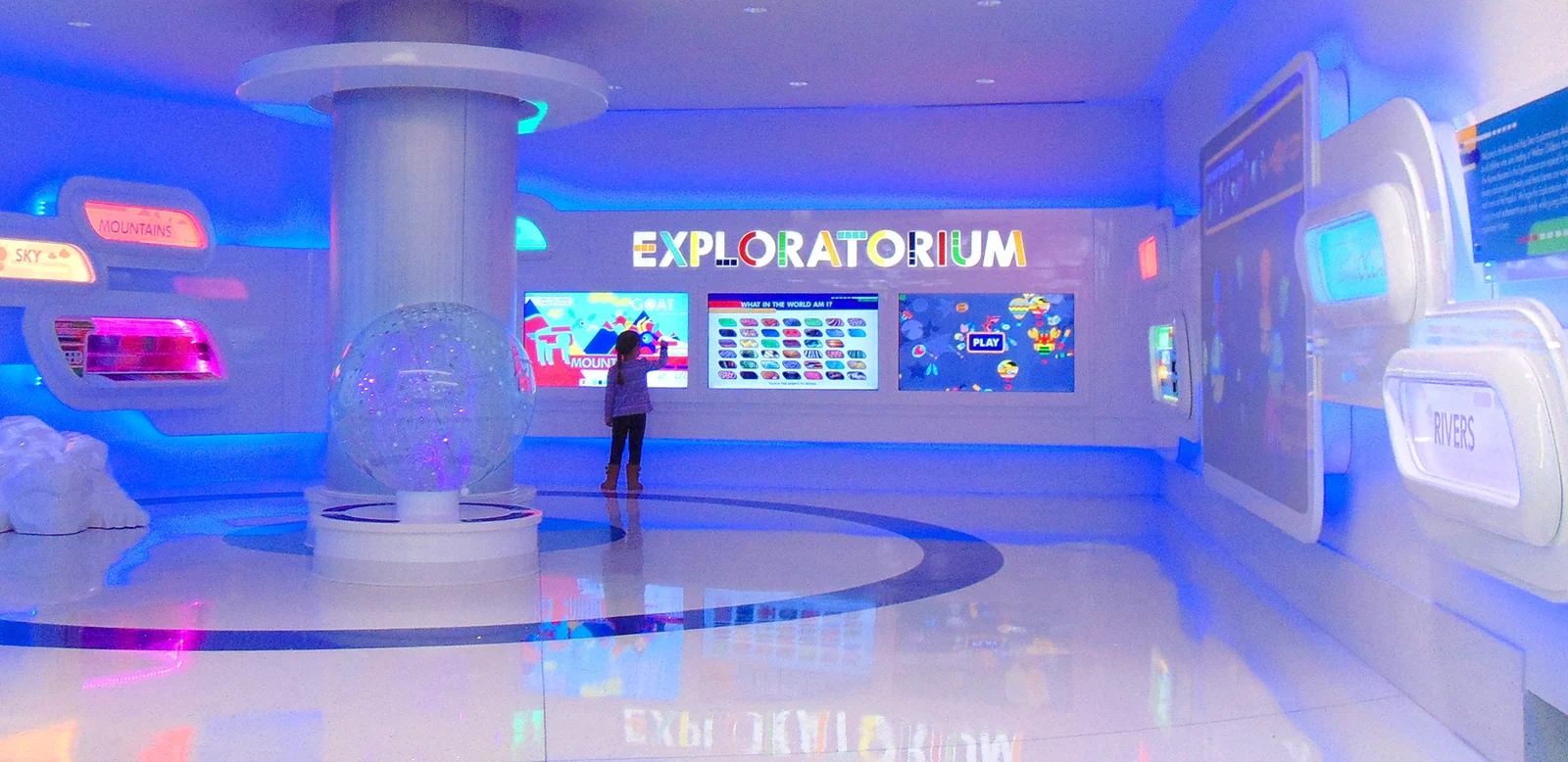
Wolfson wanted its pediatric waiting room to do more than hold families. The brief was a place that eased their stress and gave children something to explore. As lead Experiential Designer I carried it from research and hand-drawn illustration through interaction design to a built, award-winning room: the Exploratorium.
Families and children often arrived anxious, and the existing pediatric waiting room did little to ease it. Wolfson wanted a space that felt safe, one that invited relaxation and play instead of dread.

I started by listening: interviewing hospital staff and reviewing research on how the built environment shapes patient and family experience, working from universal-design and human-centered principles throughout. That research set the questions the whole studio would answer. How might we make the room joyful, keep it accessible to younger and disabled visitors, and hold everyone’s attention while they wait?
Two decisions set the rules for everything that followed. The room would be organized as biome zones, so a wall of separate screens would read as one continuous world instead of a row of unrelated games. And every creature living in it would be built from modular parts, so a finite set of drawings could recombine into something each child could call their own.
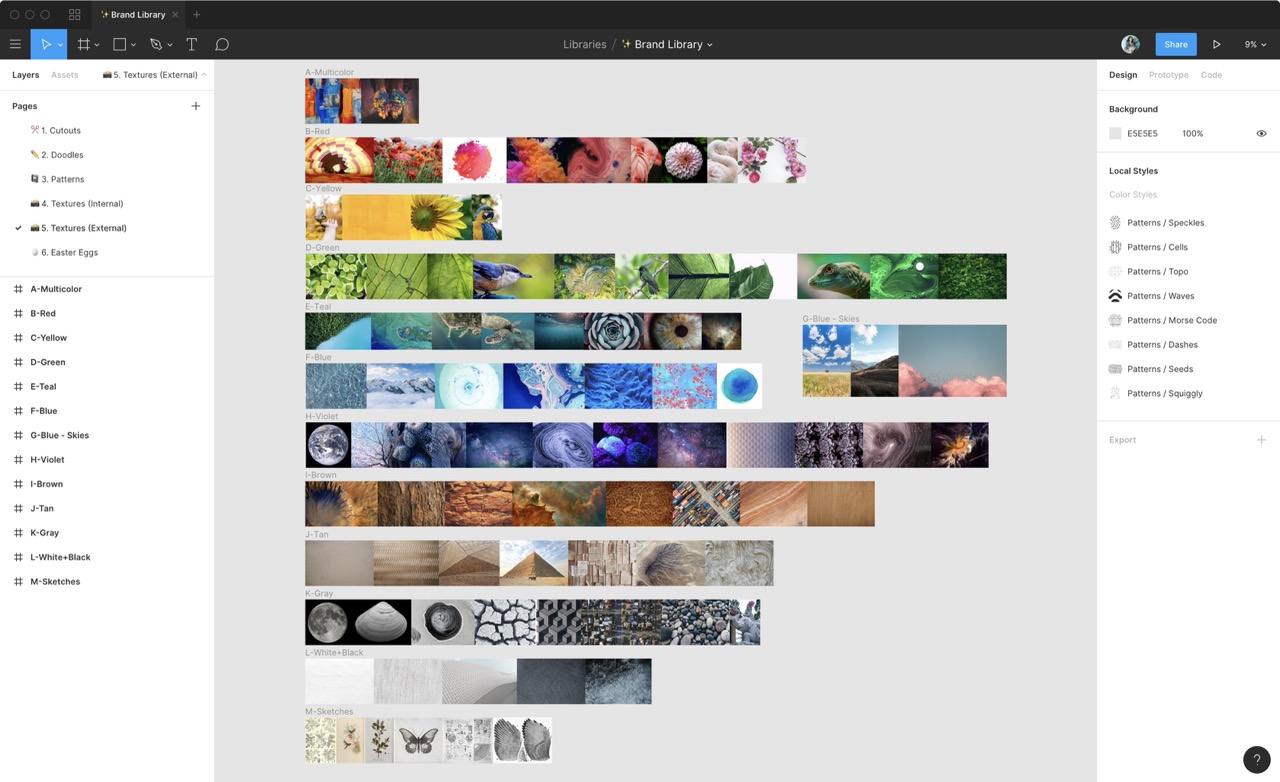
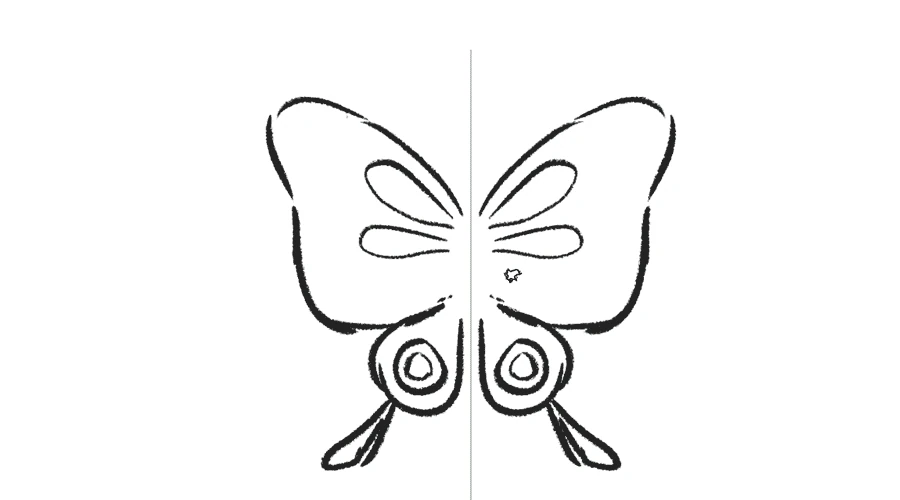
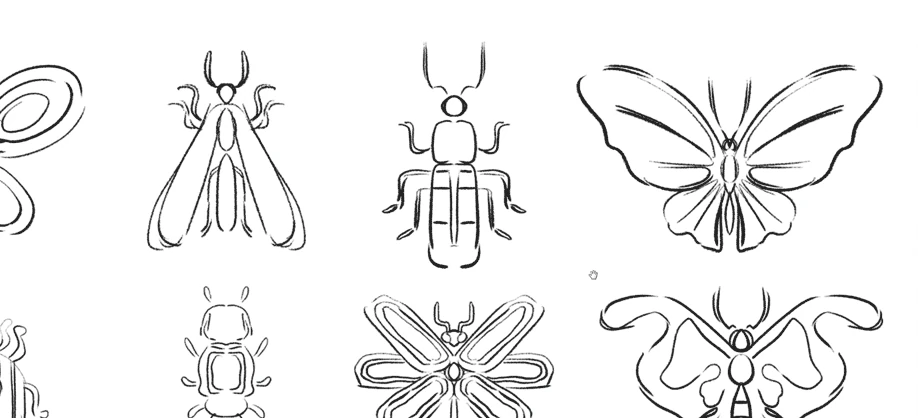
The Exploratorium needed its own visual language, so I drew one by hand. A whole cast of bugs and creatures became the starting point for every screen in the room, each sketch built up into a clean, colorful, modular asset that a child could mix and rearrange on-screen to make a creature of their own.
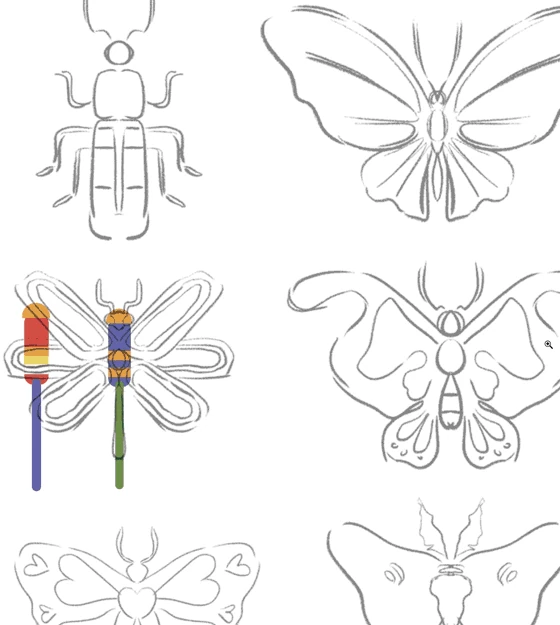
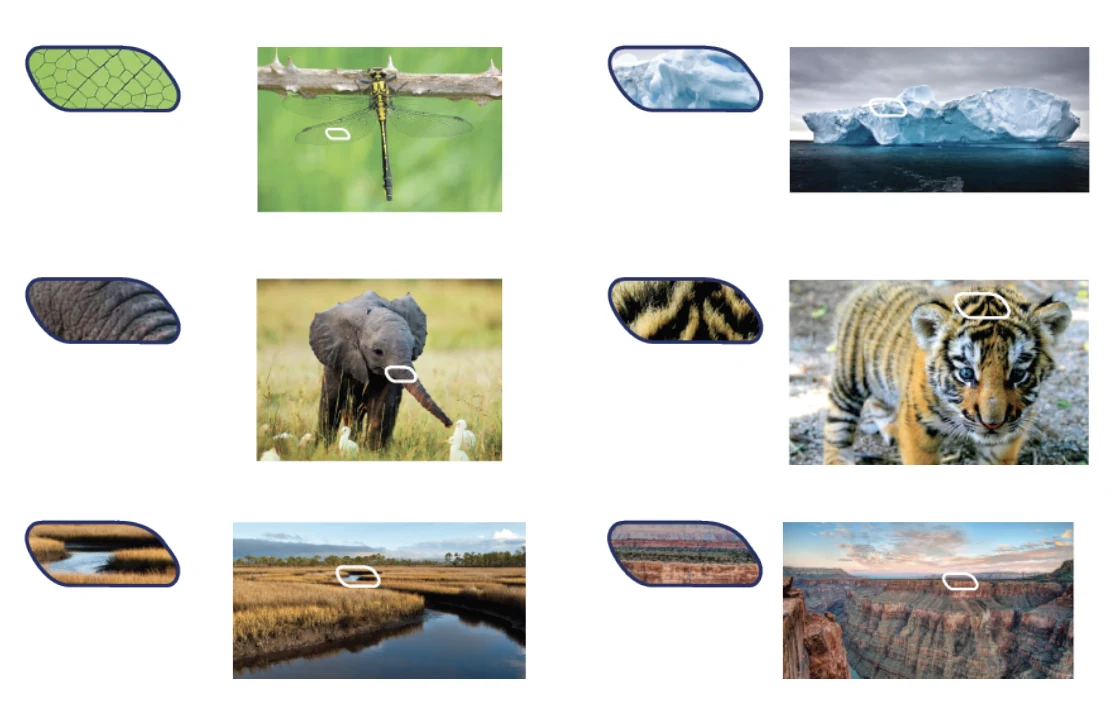
Around that artwork I designed the interactive games the room is built on: a guess-the-animal game that reveals a creature from a single patch of its skin, a Memory Match, and a build-a-bug canvas. I wireframed each interaction and worked with the development team to get them running on the room’s wall of touchscreens, testing and refining how they felt to play.
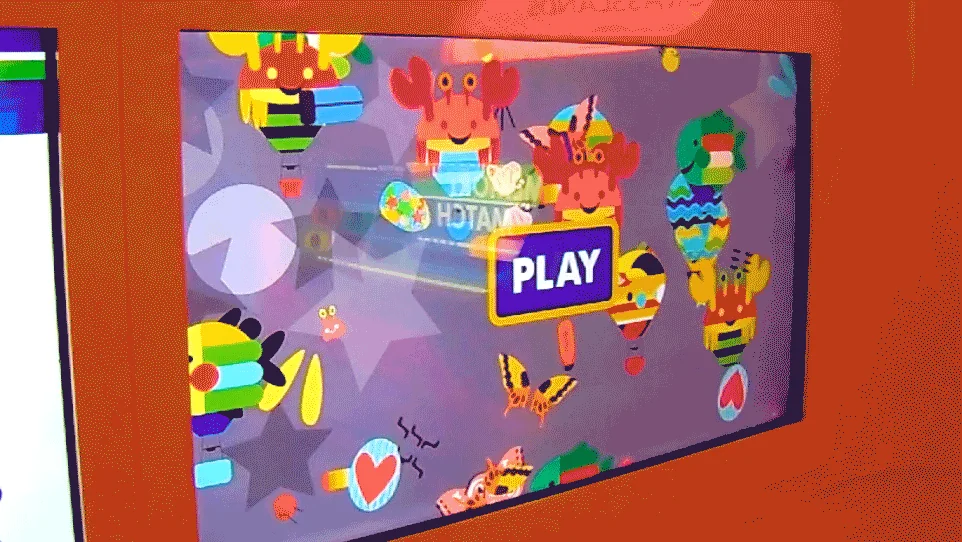
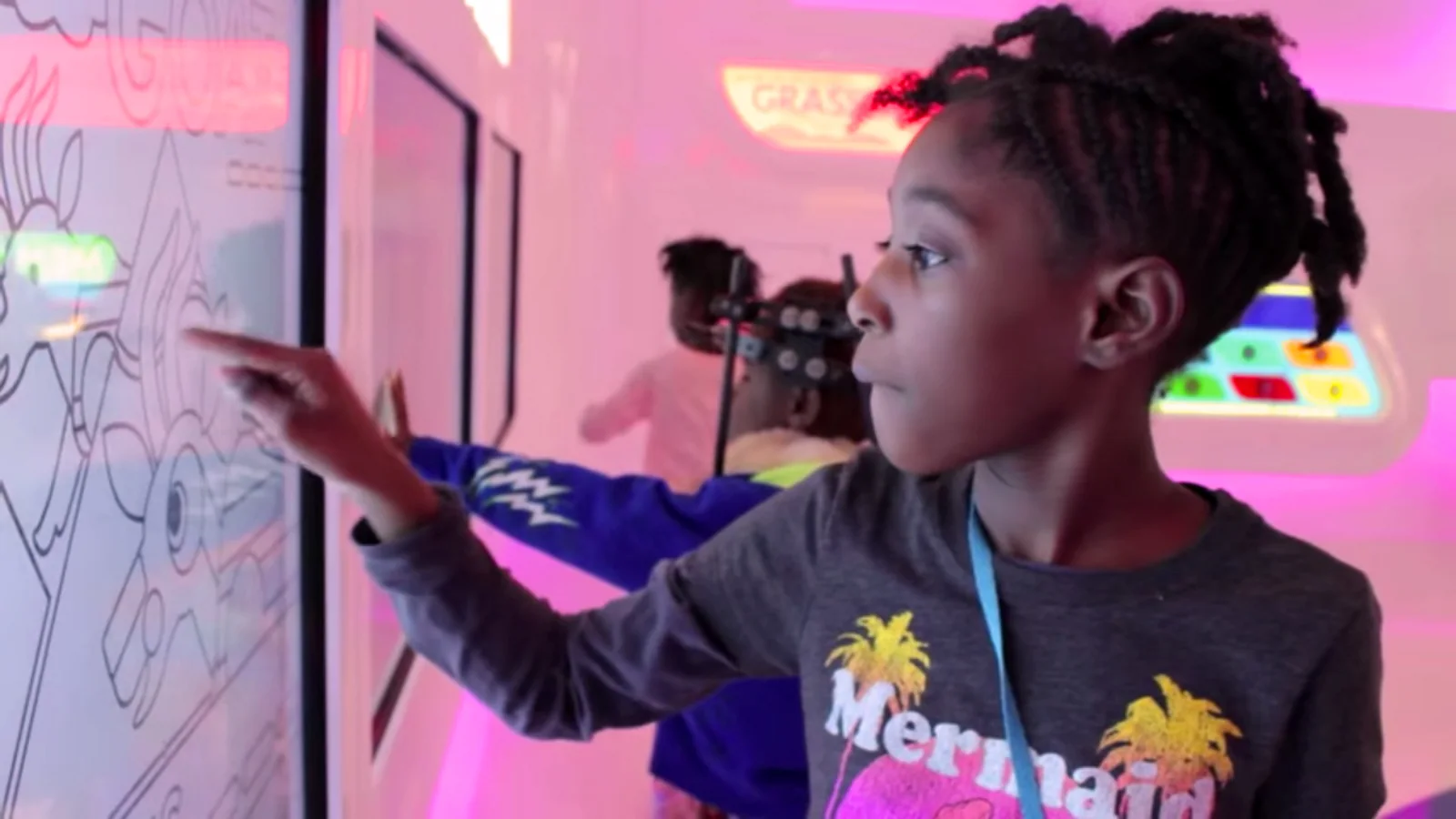
Backlit biome zones (Sky, Mountains, Forests, Grasslands, Oceans, Rivers, and Wetlands) wrapped the room and tied the screens into one immersive world. The illustration and interface work became a room you could walk into.
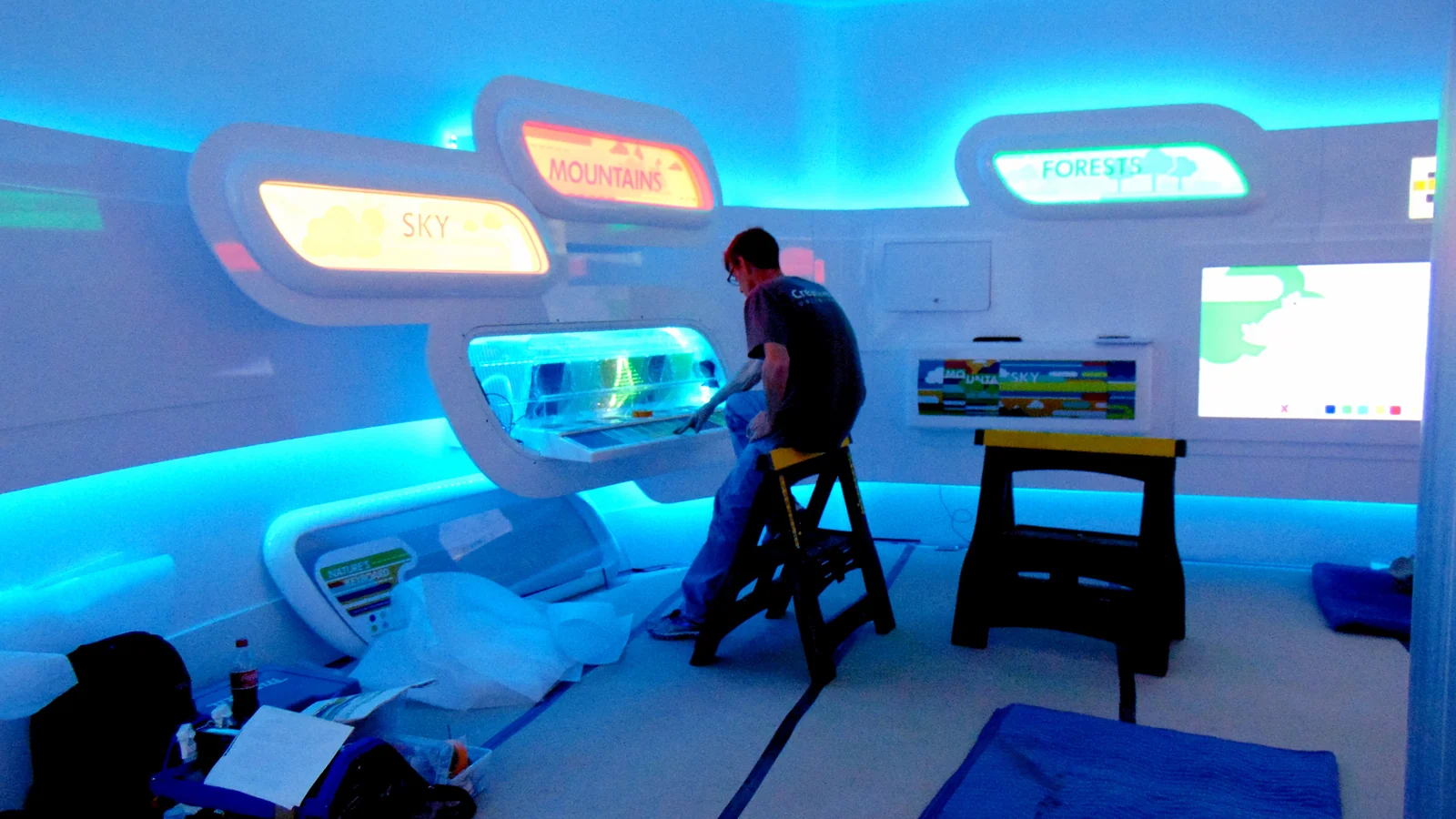
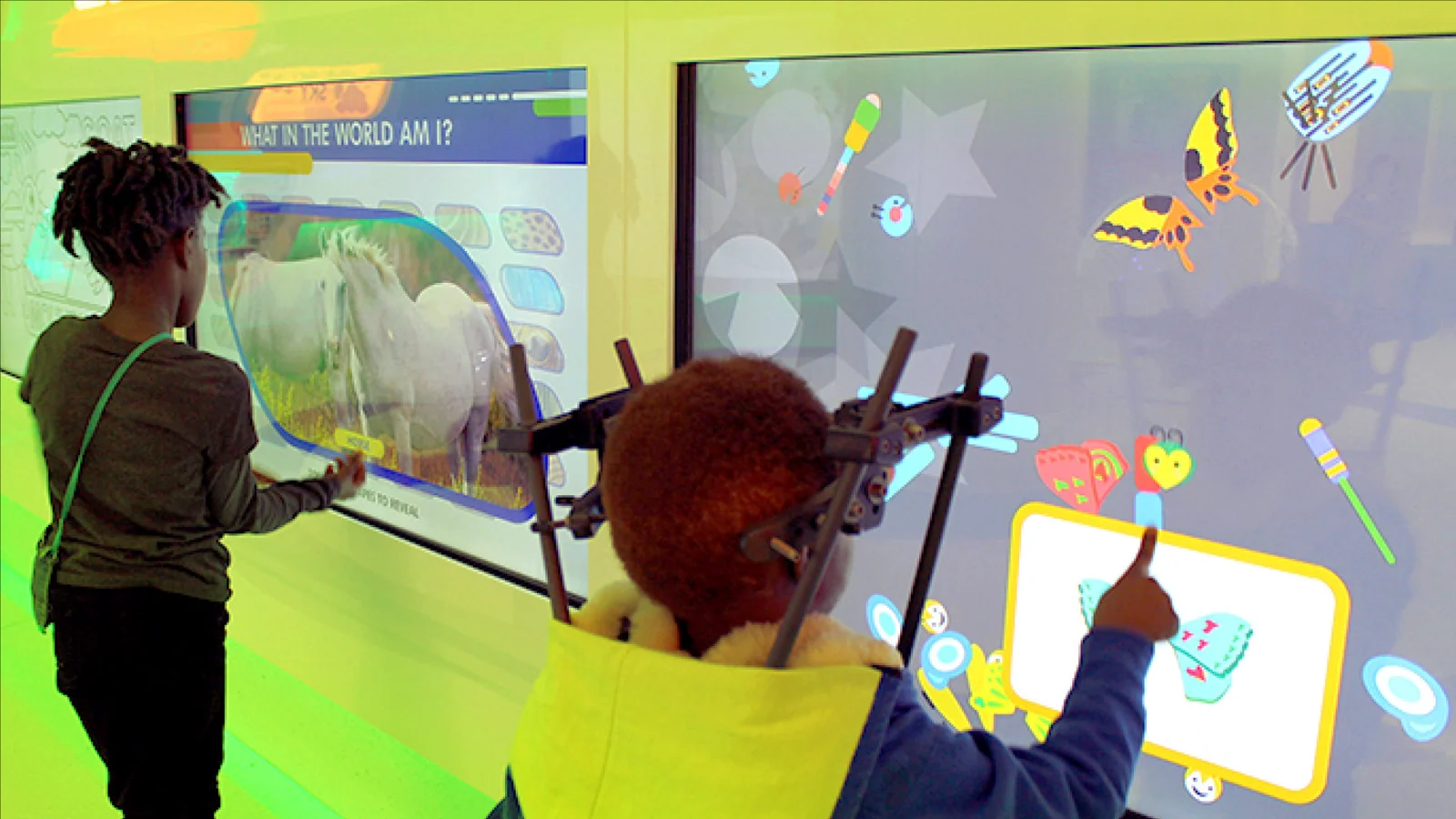
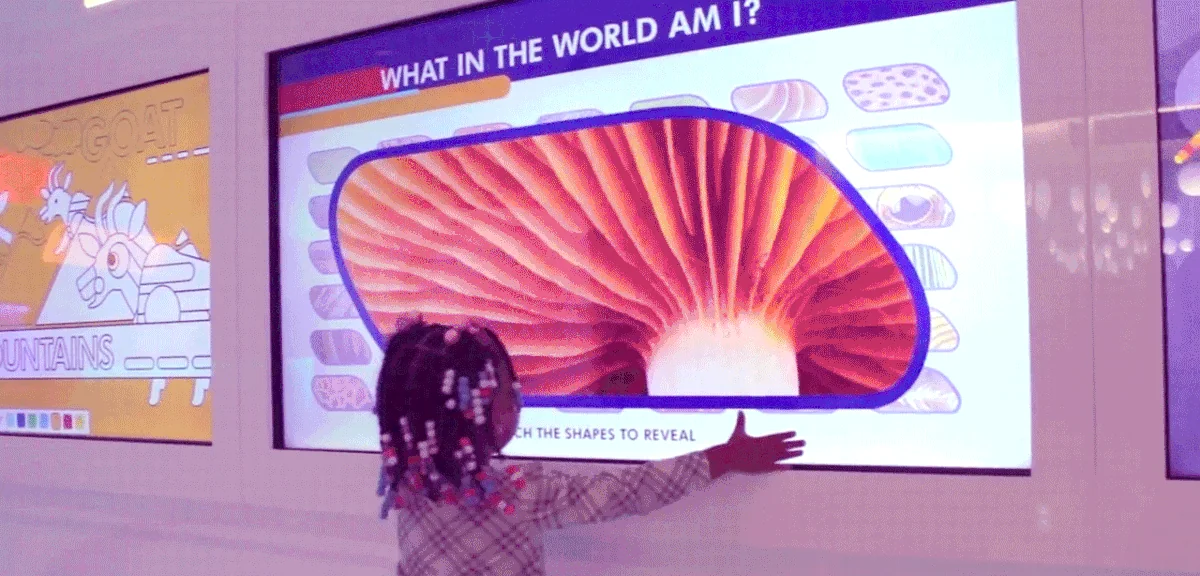
The room became a destination children ask to visit during their stay, a welcoming space that turns anxious waiting into curiosity and play.
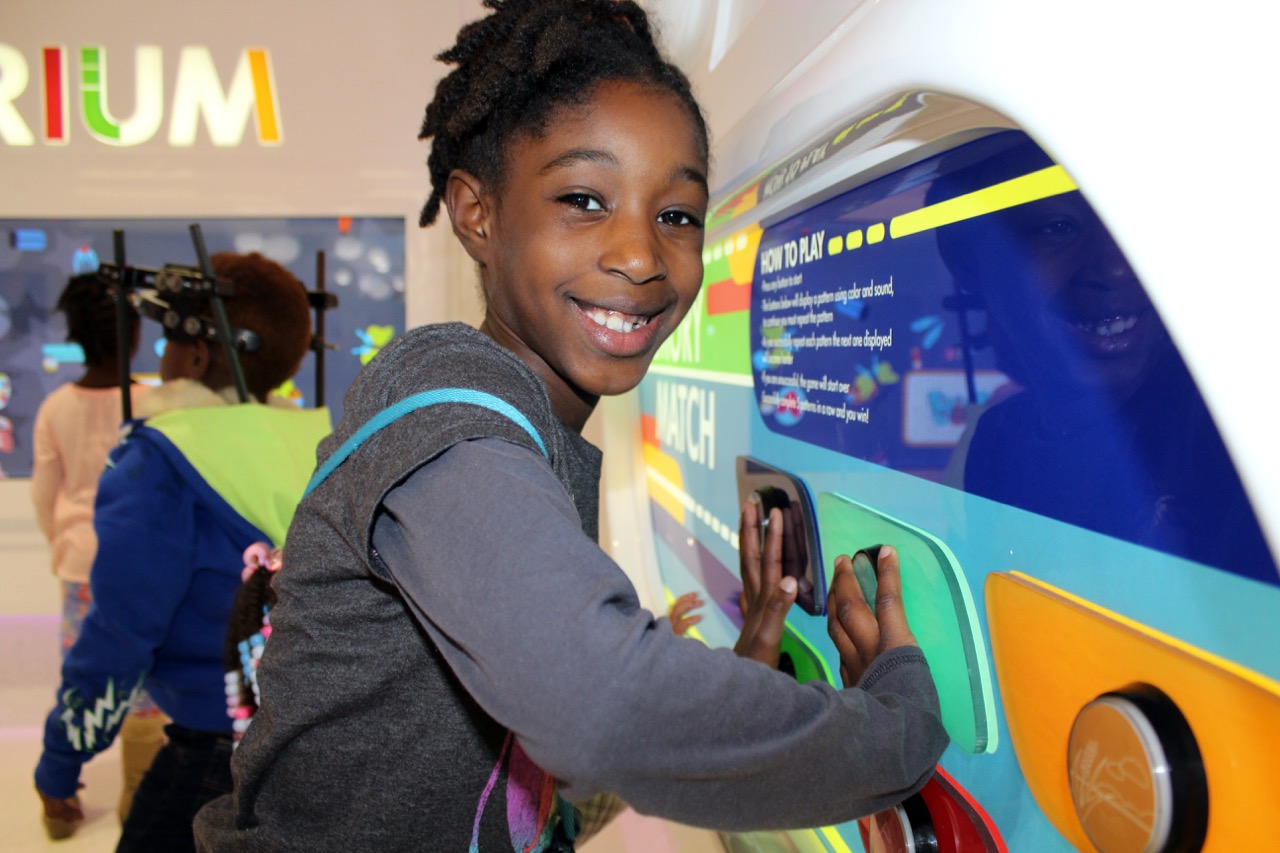
The Exploratorium won the 2017 HOW International Design Award.
Winner, Kiosks / Interactive Exhibits